




Grooming—It’s not Just for Show
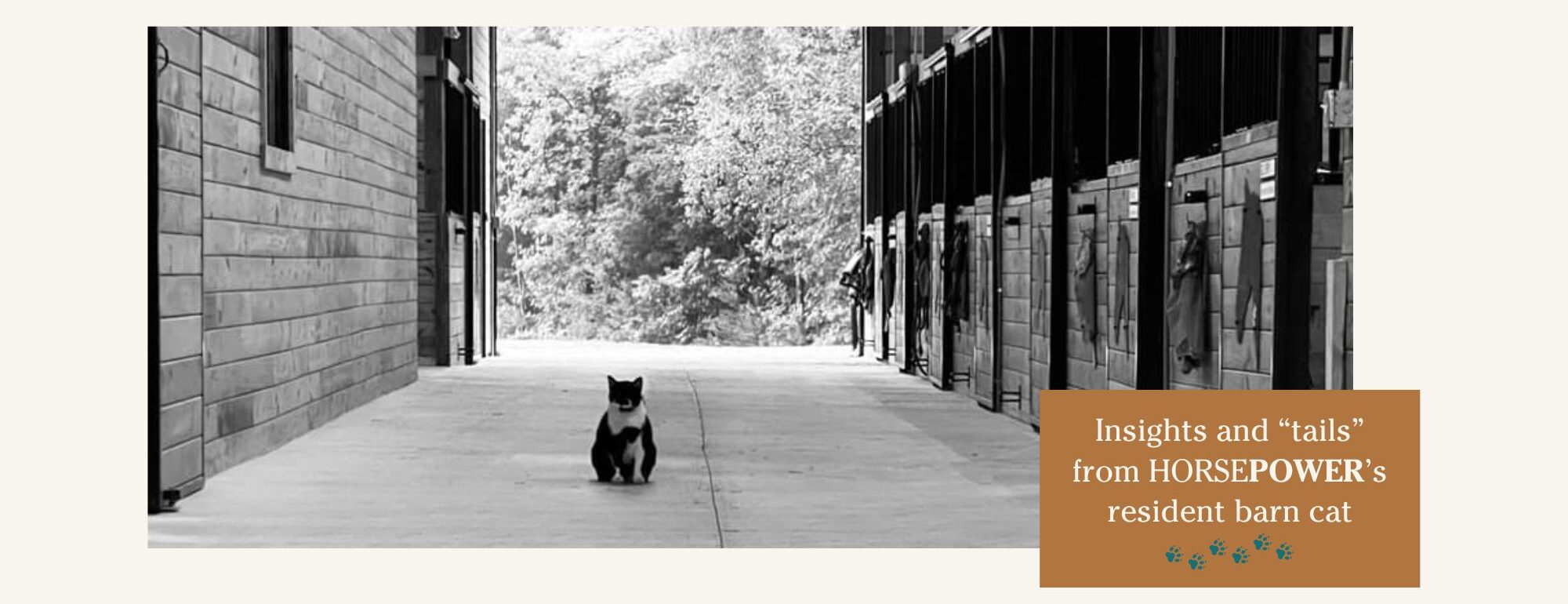
There’s a certain rhythm to life in a barn. Horses come in. Horses go out. Horses get groomed, tacked, and untacked. And I’ve noticed that the humans here are very good at something that looks like simple affection—brushing, scratching, patting—but is really much more intentional than that.
Checking a horse—before turnout, after turnout, and again before and after class—isn’t just about keeping them clean or giving them attention. It’s a quiet, ongoing health check, and it’s one of the most important parts of daily care.
Before horses go out, staff and volunteers take a careful look for anything new: swelling, cuts, heat in a leg, or anything that might make a day of running and playing a bad idea. It’s a way of making sure everyone starts out feeling sound and comfortable.
When horses come back in, the process happens again. Time outside is good for them, but it can also come with scrapes, bumps, or a little too much enthusiasm in the pasture. A quick check helps make sure everyone came back in just as well as they went out.
In the warmer months, there’s another important job: looking for ticks. They’re small, but they can cause real problems. Some horses, like Ruby, are especially sensitive to their bites, so catching one early really matters.
Grooming—especially before and after class—is where the most important checking happens. Hands move over the horse from head to tail, and that’s when you notice things you might otherwise miss—a sore spot, a tender place, or skin that’s starting to get irritated. It’s also the time to check the places where tack sits and to pick out hooves before and after riding.
At HORSEPOWER, some riders groom and tack their horses themselves, and that time is every bit as important as the riding. Learning to care for a horse—paying attention, noticing changes, and making sure they’re comfortable—is part of becoming a thoughtful and capable rider, and part of building a real partnership with the horse.
All of this does more than prevent small problems from becoming big ones. It also builds trust. Horses are very good at letting you know when something doesn’t feel right—if you’re paying attention.
As for me, I have the advantage of being able to check myself—but I’m always happy to let a volunteer snuggle me aggressively, just to be safe.
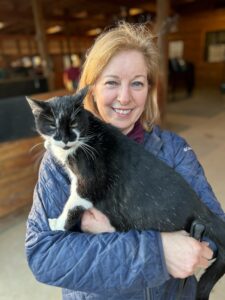
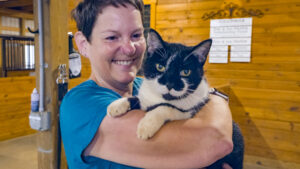
About Milo
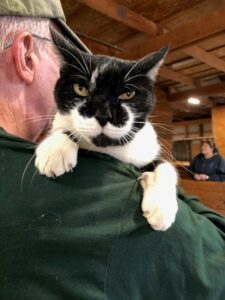
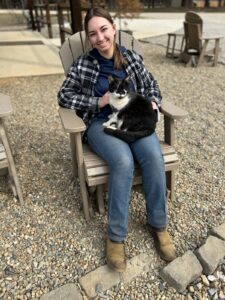
I’m Milo – HORSEPOWER’s tuxedo-clad barn cat, chief snack negotiator, gift from the universe, and part-time philosopher. I keep an eye on the horses, the humans, and the hay cart. When I’m not supervising classes, I’m busy explaining barn life from a feline point of view.
The purr-pose of my blog? To help my favorite humans – you, the volunteers – understand why we do things the way we do, how our horses think, and what keeps everyone safe, happy, and learning together. Around here, every hoofbeat tells a story – and I’ve got lots to share.
That’s my purr-spective. Now, if you’ll excuse me, duty calls. There’s always another story hiding in the hay.